
If you’re looking for a highly effective, low-maintenance contraceptive option, an intrauterine device (IUD) may be worth considering.
IUDs are one of the most effective forms of reversible contraception available, providing more than 99% protection against pregnancy. Depending on the type, they can remain effective for between 5 and 10 years and can be removed at any time if your circumstances change.
At South Melbourne Medical Hub, Dr Emma Hattle provides IUD insertions and removals as well as pre-consults, to help women understand their options and choose the contraceptive method that best suits their needs.
Frequently Asked Questions
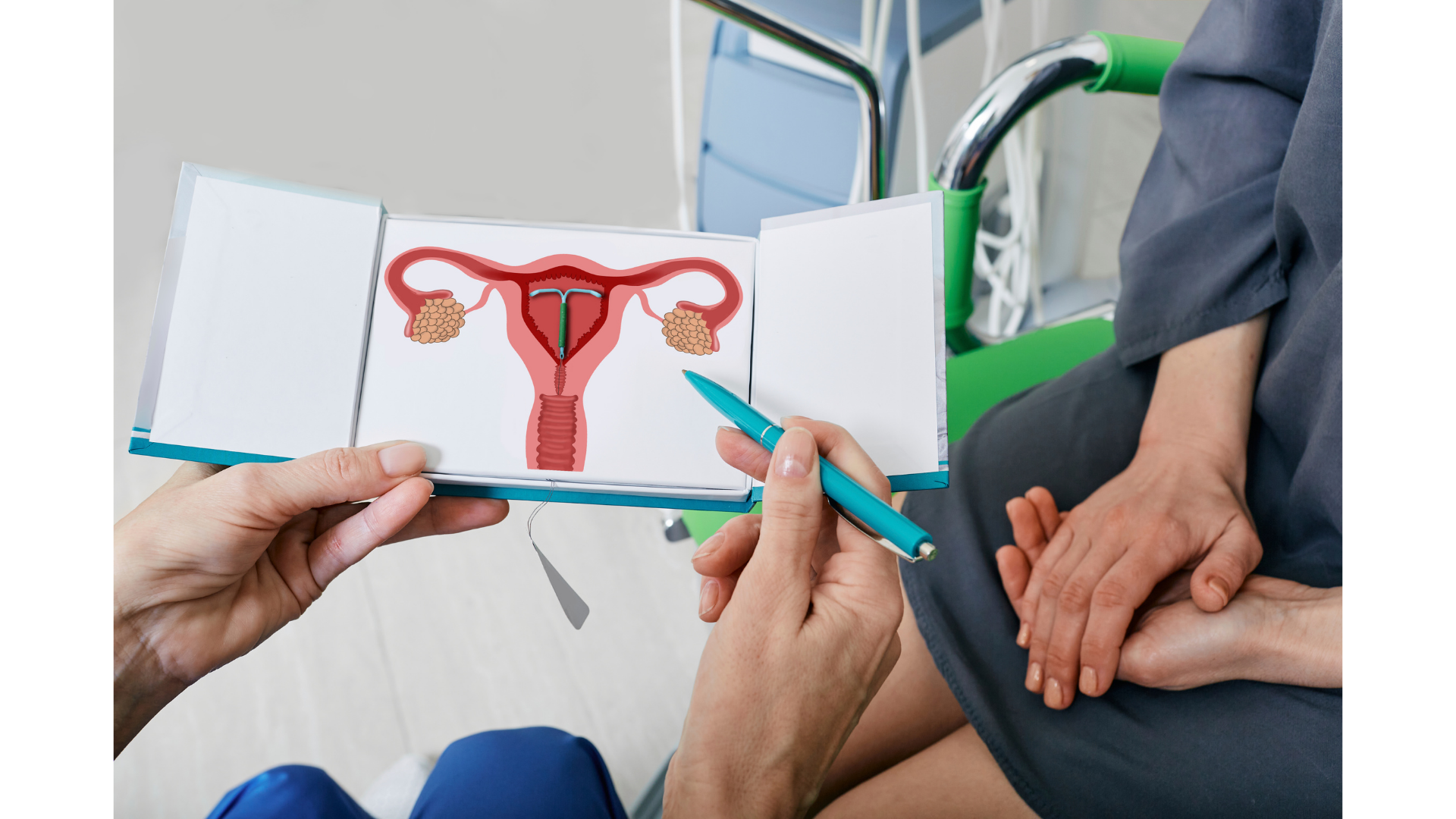
An intrauterine device (IUD) is a small device that is inserted into the uterus (womb) to prevent pregnancy.
There are two main types of IUD available in Australia:
Hormonal IUDs
Hormonal IUDs are small T-shaped devices that slowly release a low dose of progestogen into the uterus. Common hormonal IUDs include Mirena and Kyleena.
In addition to providing highly effective contraception, hormonal IUDs may help reduce heavy menstrual bleeding and period pain for some women.
Copper IUDs
Copper IUDs are hormone-free devices that contain copper wrapped around a small plastic frame.
They provide long-term contraception without hormones and may be suitable for women who prefer or require a non-hormonal option.
Both hormonal and copper IUDs are among the most effective contraceptive methods available, with a success rate of greater than 99%.
Unlike methods that require daily, weekly or monthly action, an IUD works continuously once inserted. This makes it a convenient option for women seeking long-term contraception without the need to remember tablets, prescriptions or regular appointments.
Many women choose an IUD because it offers long-lasting contraception with very little ongoing maintenance.
Benefits include:
● More than 99% effective at preventing pregnancy
● Long-term protection for 5–10 years, depending on the type
● Can be removed at any time
● Fertility returns quickly after removal
● Safe to use while breastfeeding
● Not affected by most medications
● Suitable for many women who cannot use oestrogen-containing contraception
● Hormonal IUDs may improve heavy periods and period pain
While both types are highly effective, there are some important differences.
Hormonal IUD
A hormonal IUD releases a small amount of progestogen into the uterus. Over time, many women experience lighter periods, and some may stop having periods altogether.
Hormonal IUDs may also be recommended for women experiencing heavy menstrual bleeding or painful periods.
Copper IUD
Copper IUDs do not contain hormones. They work by releasing copper, which affects sperm movement and prevents fertilisation.
Some women prefer the copper IUD because it provides effective contraception without hormones. However, periods may become heavier or longer, particularly during the first few months after insertion.
Before booking an insertion, you’ll first attend a consultation with Dr Emma Hattle.
During this appointment, you’ll have the opportunity to discuss your medical history, current contraception, future pregnancy plans and any questions you may have. Together, you’ll decide whether an IUD is suitable for you and which type may be the best fit.
If appropriate, an insertion appointment will then be arranged.
The insertion procedure itself typically takes around 15 minutes, although you should allow additional time for preparation and recovery.
This is one of the most common questions women ask.
Everyone’s experience is different. Some women experience mild discomfort or cramping similar to period pain, while others find the procedure more uncomfortable.
At South Melbourne Medical Hub, we discuss pain management options before your procedure and can provide guidance on preparing for your appointment. Some cramping after insertion is normal and usually settles within a few days.
Like any medical procedure, IUD insertion carries some risks, although serious complications are uncommon.
Possible side effects may include:
● Cramping after insertion
● Irregular bleeding or spotting in the first few months
● Changes to your bleeding pattern
● Hormonal side effects such as headaches, breast tenderness, skin changes or mood changes (hormonal IUD only)
In rare cases, an IUD may move from its intended position or an infection may develop shortly after insertion. Very rarely, the device may be inserted deeper than intended into the wall of the uterus, which may require further treatment to correct.
Your doctor will discuss the benefits, risks and suitability of an IUD during your consultation and answer any questions you may have.
No.
Neither hormonal nor copper IUDs protect against sexually transmitted infections (STIs). Condoms remain the best method for reducing the risk of STI transmission.
Choosing contraception is a personal decision and there is no one-size-fits-all approach.
An IUD may be a suitable option if you are looking for a highly effective, long-term and reversible contraceptive method. It may also be worth considering if you experience heavy periods, struggle to remember daily contraception, or are looking for a non-oestrogen option.
The best way to determine whether an IUD is right for you is through a discussion with your doctor.
References and Further Reading
This article has been developed using information from reputable Australian healthcare organisations and is intended as a general educational resource. It should not be relied upon as a substitute for professional medical advice.
Sources consulted in the preparation of this article include:
• Healthdirect Australia
• Sexual Health Victoria (SHV)
• RACGP
If you have questions about contraception, IUDs or Implanon, we encourage you to book an appointment with your GP to discuss the options most appropriate for your individual circumstances.
Book an IUD Consultation with Dr Emma Hattle
If you’d like to learn more about hormonal or copper IUDs, Dr Emma Hattle can help you explore your options and determine which contraceptive method best suits your health needs and lifestyle.
To book an appointment, contact South Melbourne Medical Hub or book online today.